
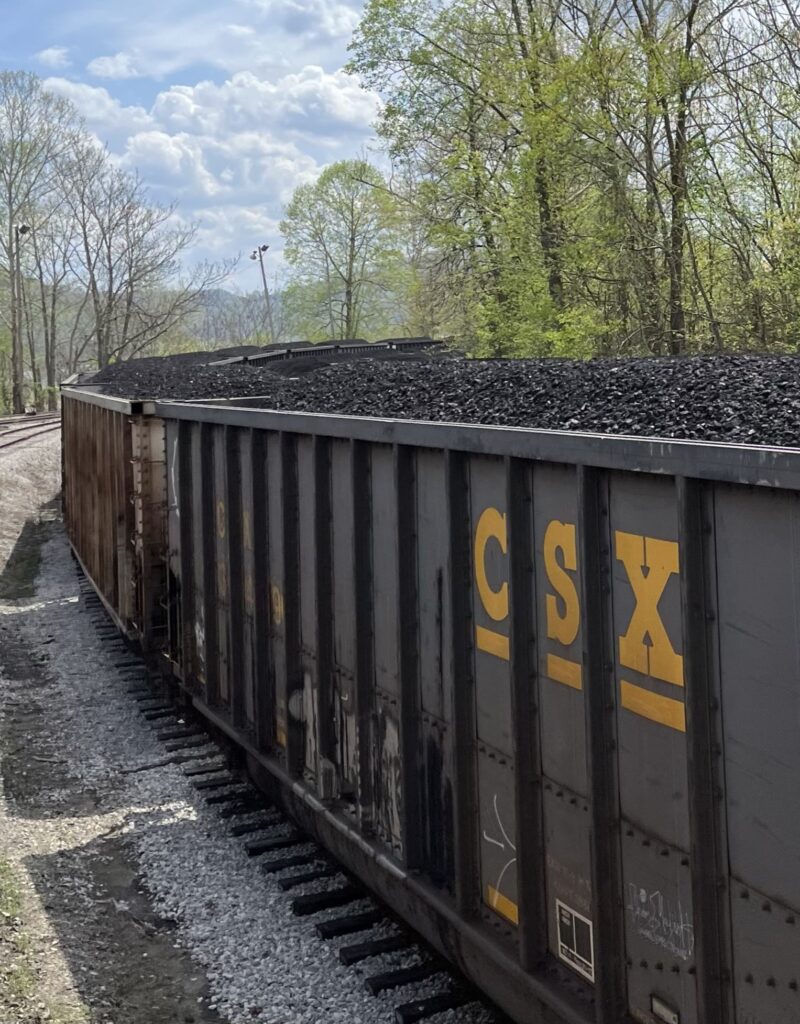
In today’s fast-paced world, the need to move goods swiftly and efficiently is paramount for businesses aiming to stay competitive. Cargo by train services have emerged as a pivotal solution in the logistics industry, offering unique benefits that other modes of transportation may not provide. As businesses seek to optimize their supply chains, understanding the advantages and strategies for maximizing efficiency with rail transport becomes essential.
The Advantages of Cargo by Train
Rail transportation offers several key benefits that can significantly enhance the logistics process:
- Cost-Effectiveness: Trains can transport large volumes of cargo at a lower cost compared to road transport, particularly over long distances.
- Environmental Impact: Railways are more fuel-efficient and produce fewer emissions per ton-mile than trucks, making them a greener alternative.
- Reliability and Safety: Train schedules are less susceptible to weather delays and traffic jams, providing a more reliable delivery time.
- Capacity: Trains can carry a significant amount of freight, reducing the number of shipments required.
Strategies for Maximizing Efficiency
Optimizing Route Planning
Effective route planning is critical for maximizing the efficiency of cargo by train services. Leveraging advanced logistics software can aid in optimizing routes, reducing transit times, and minimizing costs. For those looking to refine their logistics operations, discover expert strategies here.
Integration with Intermodal Transport
Integrating rail transport with other modes such as trucks or ships can enhance flexibility and reach. This approach, known as intermodal transport, allows for seamless movement of goods across different transportation networks. Businesses can learn about tailored solutions that facilitate efficient intermodal strategies.
Technology and Innovation in Rail Freight
The integration of technology in rail freight services is transforming the industry:
- Real-time Tracking: Advanced GPS and RFID technologies enable real-time tracking of cargo, providing transparency and control.
- Automated Systems: Automation in loading and unloading processes reduces human error and speeds up operations.
- Predictive Maintenance: Utilizing data analytics for predictive maintenance can prevent breakdowns and improve reliability.
Businesses can explore advanced guides and tips on implementing these technologies into their logistics framework.
Challenges and Considerations
While the benefits of rail transport are significant, there are challenges that must be addressed:
- Infrastructure Limitations: Rail networks may not reach all destinations directly, necessitating intermodal solutions.
- Regulatory Compliance: Ensuring compliance with rail transport regulations is crucial for smooth operations.
- Initial Investment: The investment in rail infrastructure and technology can be substantial, though often offset by long-term savings.
For those considering rail as a logistics solution, it is beneficial to find out more about this approach to navigate potential challenges effectively.
Conclusion
Maximizing efficiency with cargo by train services requires a strategic approach that leverages the inherent advantages of rail transport. By focusing on route optimization, integrating technologies, and addressing infrastructure challenges, businesses can significantly enhance their logistics operations. For further insights and comprehensive solutions, explore advanced guides and tips tailored to the unique demands of the rail freight industry.