
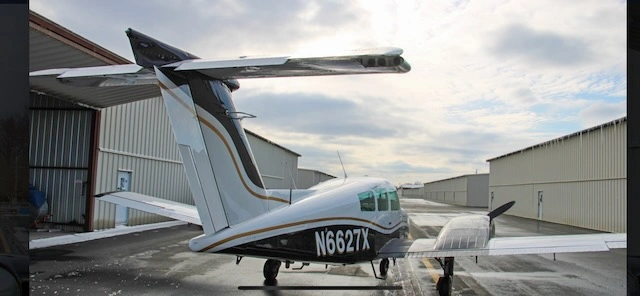
Achieving mastery in multi-engine aircraft operation is a crucial step for pilots looking to expand their aviation capabilities. Multi-engine rating not only enhances a pilot?s skill set but also opens up new opportunities in the aviation field. This specialized training equips pilots with the necessary skills to safely operate aircraft with more than one engine, providing a significant advantage in both commercial and private aviation sectors. With the advanced training involved, pilots learn to manage complex systems, handle emergencies, and navigate more sophisticated aircraft dynamics. Mastering these skills requires expert training and a thorough understanding of both theoretical and practical aspects. This article explores the essential components of multi-engine rating and the benefits of obtaining this advanced certification.
The Importance of Multi-Engine Rating
Multi-engine rating is an essential certification for pilots who wish to fly larger, more complex aircraft. This rating is not just about operating additional engines; it involves understanding intricate systems and performance characteristics unique to multi-engine planes. Here are some reasons why obtaining a multi-engine rating is vital:
- Increased Opportunities: Pilots with multi-engine ratings are eligible for more diverse flying jobs, including commercial airline positions and charter operations.
- Enhanced Skills: The training improves a pilot’s ability to handle complex systems and perform under pressure.
- Safety and Redundancy: Multi-engine planes provide redundancy, which can enhance safety in engine-out scenarios.
- Career Advancement: Multi-engine rating is often a prerequisite for advanced pilot certifications and licenses.
Read more about this topic to understand the full scope of opportunities that come with a multi-engine rating.
Key Components of Expert Multi-Engine Training
Theoretical Knowledge
The foundation of multi-engine training is built on comprehensive theoretical knowledge. This includes understanding the aerodynamics of multi-engine aircraft, weight and balance calculations, and performance considerations. Pilots must also familiarize themselves with the unique systems and procedures associated with twin-engine aircraft. Learn more in this detailed guide about the theoretical aspects that are covered in multi-engine training.
Practical Training
Practical training is where pilots apply their theoretical knowledge in real-world scenarios. This involves:
- Flight Simulation: Utilizing advanced simulators to practice emergency procedures and systems management.
- Dual Flight Instruction: Undertaking flights with certified instructors to gain hands-on experience.
- Engine-Out Procedures: Learning to manage and respond to engine failures or malfunctions safely.
- Advanced Navigation: Using sophisticated navigation systems typical in multi-engine aircraft.
These practical experiences are critical in building the confidence and competence required for safe multi-engine operations. Explore further insights here on what to expect during practical training sessions.
Benefits of Expert Training Programs
Choosing a training program that offers expert guidance in multi-engine operations is crucial for success. Programs led by experienced instructors provide:
- Personalized Instruction: Tailored training that addresses individual learning needs and goals.
- State-of-the-Art Facilities: Access to modern aircraft and simulators for comprehensive training.
- Up-to-date Curriculum: Courses that incorporate the latest industry standards and practices.
- Networking Opportunities: Connections with industry professionals and fellow pilots.
For those seeking to advance their aviation careers, investing in a quality training program is a wise decision. Find additional information here to help choose the right training program tailored to specific career ambitions.
Conclusion
Mastering multi-engine rating through expert training is a significant milestone in a pilot’s career. It not only enhances technical skills but also broadens career opportunities in the aviation industry. By engaging in comprehensive training programs, pilots can ensure they are well-prepared to handle the complexities of multi-engine aircraft and advance to higher levels of aviation proficiency. For aspiring multi-engine pilots, detailed and expert-led training is the pathway to success. For further guidance on mastering multi-engine rating, pilots can explore further insights here.