
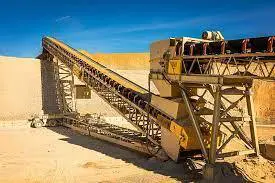
In the industrial world, efficient material handling is paramount to maintaining productivity and cost-effectiveness. Belt conveyors are a fundamental component in various industries, serving as a crucial tool for transporting bulk materials across long distances. Understanding the intricacies of belt conveyor design can significantly enhance operational efficiency. This article delves into the basics of belt conveyor design, providing insights into the key elements and considerations that contribute to their optimized performance.
Understanding Belt Conveyor Components
A belt conveyor system comprises several key components, each playing a vital role in its overall function:
- Belts: The conveyor belt is the primary component that moves materials. It is essential to select a belt that matches the material type and environmental conditions.
- Pulleys: These are used to guide and drive the belt. Proper alignment and tension are crucial to avoid any operational disruptions.
- Rollers: Supporting the belt’s movement, rollers reduce friction and wear. Regular maintenance is key for prolonged efficiency.
- Drive Mechanism: Typically comprising motors and gears, this component powers the conveyor system.
- Frame: The structural backbone that supports the entire system, ensuring stability and alignment.
For more detailed information on these components, Explore advanced guides and tips.
Designing for Efficiency
Material and Load Considerations
Selecting the right materials for the belt and the load capacity is critical for an efficient conveyor system. Factors to consider include:
- Material Type: Consider the abrasiveness, temperature, and moisture content of the materials being conveyed.
- Load Capacity: Ensure the system can handle the maximum load capacity to avoid overloading and potential damage.
- Speed: The speed of the belt should be optimized for the type of material and its handling requirements.
To Discover expert strategies here for optimizing material handling efficiency.
Environmental Factors
The operational environment can significantly impact the design and performance of a belt conveyor system. Key environmental considerations include:
- Temperature: Extreme temperatures can affect the belt material and performance. Select materials that can withstand the specific environmental conditions.
- Humidity and Moisture: Moist environments may require corrosion-resistant materials and additional maintenance.
- Space Constraints: The design should accommodate physical space limitations while allowing easy maintenance and operation.
Learn about our tailored solutions to address environmental challenges in conveyor design.
Maintenance and Safety
Regular maintenance and stringent safety measures are integral to the longevity and safe operation of belt conveyor systems:
- Routine Inspections: Regular checks for wear and tear can prevent unexpected breakdowns.
- Safety Protocols: Implementing comprehensive safety measures protects both the equipment and personnel.
- Training: Ensuring that all operators are well-trained in using and maintaining the conveyor system efficiently.
For more insights on maintaining a safe and efficient conveyor system, find out more about this approach.
Understanding and applying the fundamental principles of belt conveyor design can dramatically enhance the efficiency and reliability of material handling processes. By considering the key components, operational factors, and maintenance practices, industries can maximize their productivity while minimizing costs and downtime. To delve deeper into belt conveyor systems, explore the resources available at pecplrollers.com.