
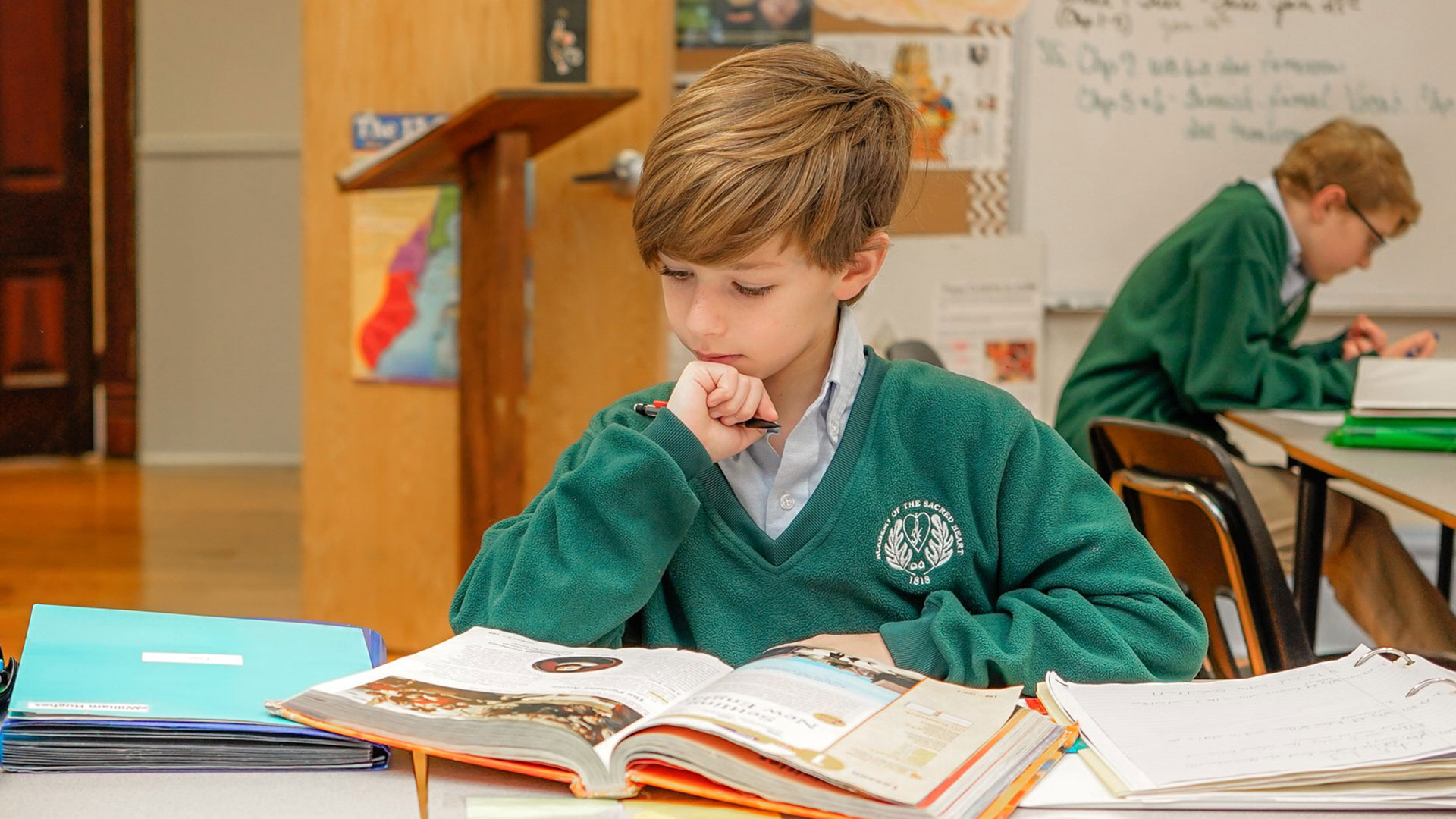
Choosing the right independent school for your child is a significant decision that can shape their educational journey and personal development. St. Louis offers a variety of esteemed independent schools, each with unique strengths and educational philosophies. With the multitude of options available, it can be challenging for parents to determine which institution best aligns with their child’s needs and aspirations. This guide aims to simplify the process, providing insights and essential considerations to help parents make informed choices for their child’s future.
Understanding Independent Schools
Independent schools, unlike public schools, operate privately and have the autonomy to design their curriculums, set admission criteria, and maintain specific educational philosophies. They often provide:
- Smaller class sizes for more personalized attention.
- Specialized programs that cater to various interests ranging from arts to sciences.
- A strong emphasis on community involvement and character development.
To delve deeper into the benefits of independent schooling and its impact on student growth, discover expert strategies here.
Key Factors to Consider
Academic Programs and Curriculum
The academic offerings of an independent school are a critical consideration. Parents should evaluate how the school’s curriculum aligns with their child’s interests and academic goals. Consider the following:
- Does the school offer advanced placement or international baccalaureate programs?
- Are there opportunities for experiential learning, such as internships or study abroad programs?
- How does the school integrate technology into the classroom?
For more insights into tailoring educational solutions to meet diverse needs, learn about our tailored solutions.
School Culture and Values
The culture and values of a school can significantly influence a child’s experience. Parents should assess whether the school’s ethos aligns with their family values and the personal development goals they have for their child. Important questions include:
- What are the school’s core values and how are they implemented daily?
- How does the school address diversity, equity, and inclusion?
- What is the school’s approach to discipline and student support?
To explore more about fostering a supportive and inclusive educational environment, explore advanced guides and tips.
Extracurricular Opportunities
Extracurricular activities are essential for a well-rounded education, providing students with opportunities to develop new skills, interests, and friendships. When evaluating a school’s extracurricular offerings, consider:
- Is there a wide variety of clubs, sports, and arts programs?
- Are there leadership opportunities available to students?
- How does the school support students in balancing academics and extracurricular involvement?
To find out more about comprehensive extracurricular integration, find out more about this approach.
Location and Facilities
The location and facilities of a school can affect daily logistics and the overall learning environment. Considerations include:
- Is the school conveniently located for your family?
- Are the facilities modern and well-maintained?
- Does the school offer transportation services?
For additional information on optimizing educational facilities for student success, explore advanced guides and tips.
Conclusion
Selecting the right independent school in St. Louis requires careful consideration of various factors, including academic programs, school culture, extracurricular opportunities, and logistical aspects. By prioritizing these elements and conducting thorough research, parents can make a well-informed decision that supports their child’s educational journey and personal growth. For more detailed guidance and resources on choosing the best school for your child, discover expert strategies here.